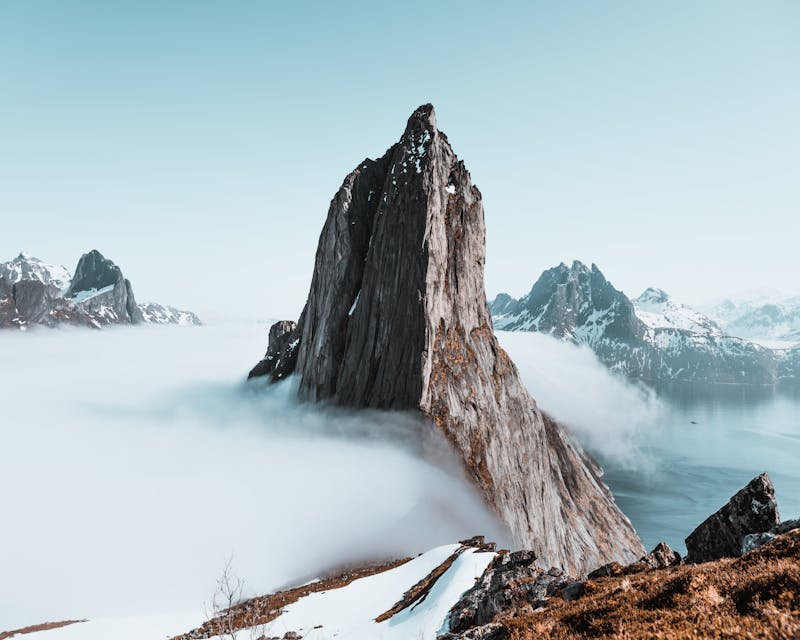
The most effective corporate retreats near Seattle aren't at conference hotels in Bellevue or rented meeting rooms with catered lunches. They're in places that change the context completely. Mount Rainier — specifically the Ashford gateway corridor on the park's southwest side — is 90 minutes from Seattle, accessible without ferry logistics, and offers the combination that actually works for remote and hybrid teams: physical separation from the city, a shared outdoor experience that breaks routine, and infrastructure capable of supporting real productive work sessions. Here's how to plan one.
Why Mount Rainier Works for a Team Retreat
Most Seattle-area corporate retreat venues fail in one of two directions: too close to the city (teams mentally stay in work mode and commute in daily), or too far and complicated (flights, car rentals, logistics overhead that consumes two days of everyone's time).
Ashford sits in the middle of that spectrum. The drive from downtown Seattle is about 90 minutes on I-5 South through Tacoma, then WA-7 to WA-706 through Eatonville. No ferry. No mountain passes. No coordination nightmare. Teams can drive down together, arrive before noon, and start the first session by 1pm. The commute home at the end is short enough that no one dreads it.
The setting delivers something harder to manufacture: genuine awe. Teams that drive up the last five miles to Paradise — past the old-growth Douglas fir, up into the subalpine meadows with Rainier filling the windshield — arrive with their context shifted in a way that a hotel conference room cannot replicate. That shift is worth paying for.
What a 2-Night/3-Day Retreat Looks Like
The format that works best for small to mid-size tech and startup teams (4–12 people):
| Day | Morning | Afternoon | Evening |
|---|---|---|---|
| Day 1 (Arrive) | Work day in Seattle / travel | Drive to Ashford, arrive noon–1pm, settle in | Group dinner, introductions, set retreat goals, fire pit |
| Day 2 (Core) | Deep work session 1 — strategy, planning, or product sprint (9–12pm) | Group hike at Paradise: Alta Vista or Skyline Trail (12–4pm) | Cook dinner together, debrief the day, informal ideation |
| Day 3 (Wrap) | Deep work session 2 — decisions, priorities, sprint planning (8–11am) | Grove of the Patriarchs or Trail of the Shadows, drive home | — |
The sequencing matters. Arrive before any formal sessions begin — give people time to decompress and move into the space before you ask them to think hard. The first session on Day 2 (after a night of sleep and dinner together) is where the most honest, lateral thinking tends to happen. The physical challenge of a Paradise hike in the afternoon burns off the mental energy that leads to circular meeting loops. Day 3's morning session tends to be more decisive than Day 2's — people have processed overnight.
Team Activities Near Mount Rainier
The park and surrounding area offer a range of activities from low-key to full-challenge. Match to your team's fitness level and what you're trying to accomplish:
| Activity | Duration | Difficulty | Best For |
|---|---|---|---|
| Trail of the Shadows, Longmire | 45 min | Flat, anyone | Day 1 arrival walk, mixed fitness teams |
| Alta Vista Loop, Paradise | 1.5–2 hr | Easy-Mod | First wildflower experience, teams with non-hikers |
| Skyline Trail Loop | 3–4 hr | Moderate | Teams that hike, best views, shared challenge |
| Grove of the Patriarchs | 1 hr | Flat, anyone | Day 3 wind-down before drive home |
| Whittaker Mountaineering Guided Experience | Half or full day | Guided, customizable | Teams that want a structured adventure experience |
| Sunrise, Emmons Vista | 2.5 hr | Moderate | Best glacier views; slightly less crowded than Paradise |
| Sunset at Reflection Lakes | 1.5 hr drive + walk | Easy | Photography, group moment, no big hike needed |
| Fire pit + stargazing at cabin | Evening | Zero | Every evening — Ashford has very little light pollution |
Whittaker Mountaineering (in Ashford, walking distance from Refresh House) is one of the best hidden assets for a corporate retreat. They offer custom guided experiences from an intro to mountain terrain all the way to Rainier summit training days. A half-day guided session with a Whittaker guide — even just navigation and wilderness safety — is a memorable shared experience that doesn't require your team to be experienced hikers.
Refresh House for Team Retreats
Refresh House is a private cabin in Ashford specifically built around remote work and focused stays near Rainier. For a team retreat, what makes it different from a vacation rental:
- Fast, reliable WiFi: Fiber internet suitable for video calls, simultaneous users, and large file transfers. Critical for any retreat that includes actual work sessions, async participants, or a CTO who needs to stay reachable.
- Real workspace: Standing desk, ergonomic chairs, monitor — not a couch-and-laptop setup. The workspace is designed for focused heads-down work, not just calls.
- Full kitchen: Cook group dinners instead of logging receipts for three restaurant meals a day. One of the most effective team bonding formats is cooking together — more so than organized "team building" activities.
- Hot tub for post-hike recovery: After a 5.5-mile, 1,700-foot Skyline Trail hike, this matters more than it sounds.
- 6 miles from the Nisqually entrance: 20 minutes to the Paradise parking lot. Teams can be back from a 4-hour hike and starting an afternoon session by 3pm.
What Makes a Good Retreat vs. a Forgettable One
After talking to dozens of remote teams who've done offsites near Seattle, the pattern is clear. The retreats that teams remember a year later share these elements:
- A genuine physical challenge. Not a trust fall. Shared adversity — even the moderate adversity of a steep uphill finish on the Skyline Trail, or cold wind at Panorama Point — creates actual bonding. A nice dinner at a hotel doesn't.
- Real decisions made in person. The retreat should have a defined list of things that need to be decided or agreed upon while everyone is together. If the answer to "what did we accomplish?" is "we aligned on values," the retreat failed. Go in with specific outputs.
- Downtime that's actually unscheduled. Don't schedule every hour. The conversation that happens at the fire pit at 10pm after the agenda is over is often the most useful of the trip.
- Physical separation from daily routine. A Bellevue hotel doesn't do this. Ashford does. When the commute home is 90 minutes, people relax differently than when they're 20 minutes from their apartment.
Logistics Checklist for a Mount Rainier Team Retreat
- Park passes: Buy one America the Beautiful annual pass per car ($80, covers all national parks) at recreation.gov in advance. Or the $35/vehicle 7-day pass. You'll be entering the park at least twice — it pays off to sort this before the trip.
- Grocery run: Safeway in Eatonville (17 miles north of Ashford, on the WA-7 approach) is the best grocery stop. Hit it on the way in, not after arrival — Ashford has no grocery store. Packwood (25 miles east) has a small market as backup.
- Gas: Fill up in Eatonville, Enumclaw, or Packwood — there is no gas in Ashford or anywhere inside the park. See the gas stations guide for all routes.
- Cell service: Good in Ashford town center; drops once you enter the park on WA-706. Have a designated communication plan for the hike and download offline maps before entering the park.
- Trail permits: No permit needed for day hikes. Wilderness overnight camping requires a backcountry permit but that's not typical for retreat itineraries.
- Leave early for Paradise: Weekend summer parking at Paradise fills by 9am. For a team of 8, you might have 3 cars — all should arrive before 8:30am or you risk being turned away. See the beginner hiking guide for parking strategy.
- Weather contingency: Check the NPS forecast the evening before each hike day. If afternoon thunderstorms are forecast for above treeline, shift the hike to a morning start or choose a lower-elevation option (Grove of the Patriarchs, Longmire).
For a full planning breakdown — cost per person by group size, WiFi speed requirements for teams, a 12-week planning timeline, and sample retreat agendas — see the complete corporate retreat planning guide.
Comparing Retreat Venues Near Seattle
| Venue Type | Drive from Seattle | Best For | Tradeoffs |
|---|---|---|---|
| Refresh House, Ashford (Rainier) | ~90 min | Remote/hybrid teams, hiking focus, work sessions | Smaller group size; no in-person catering |
| Leavenworth (Cascades) | ~2.5 hr | Larger groups, Bavarian aesthetic, wine country adjacent | Longer drive; more touristy; Blewett Pass can close in winter |
| Whidbey Island | ~1.5 hr + ferry | Coastal atmosphere, farm-to-table options | Ferry schedule creates logistical complexity; no alpine hiking |
| Hotel conference venue (Bellevue/Redmond) | 20–40 min | Large all-hands meetings, product launches | No context shift; high per-person cost; people drive home nightly |
| Sun River, Oregon | ~5 hr | Golf, larger resort amenities, Cascades scenery | Full travel day each way; loses a day of productivity |
What Teams Actually Say After a Rainier Retreat
The most consistent piece of feedback from teams who've done a mountain retreat versus a hotel retreat: "People opened up more than they do in the office." The physical environment does something to conversation that a conference room agenda cannot. Hiking side-by-side — looking forward at a trail instead of across a table at each other — is a different cognitive mode. Decisions get made. Old tensions get aired. People who've been working remotely for a year suddenly have shared context that carries back into Slack threads and Notion docs for months.
The 90-minute drive from Seattle is short enough to not be an obstacle. It's long enough to feel like you've actually gone somewhere.
More planning resources: Ashford, WA visitor guide · best day hikes at Mount Rainier · hiking tips for first-timers · gas stations near Rainier · Ashford vs Packwood: where to stay