Capturing Mount Rainier's Beauty
How to start nature journaling during your Mount Rainier visit, with tips on sketching, botanical illustration, and capturing the natural world on paper.
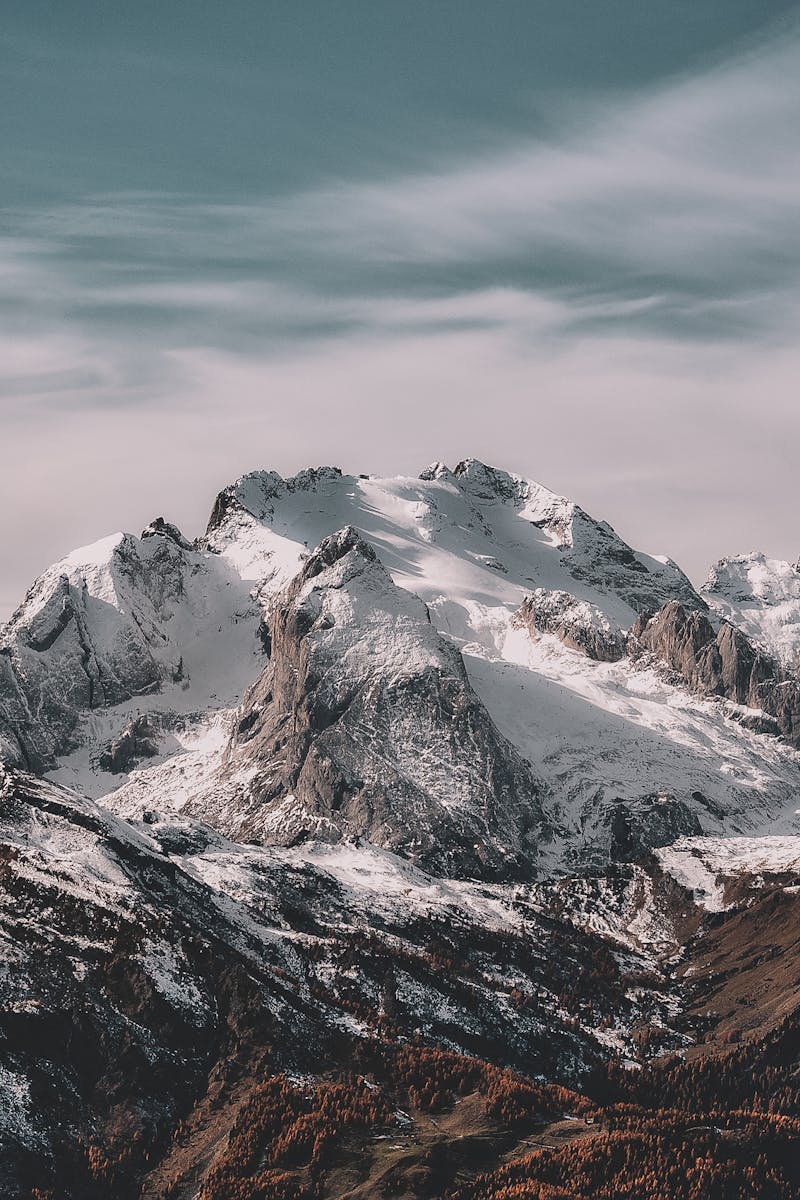
Mount Rainier is one of the most photographed mountains in North America, and for good reason. Its massive glaciated peak rises 14,411 feet above sea level, dominating the skyline from every angle. But the mountain is just the beginning — the park's wildflower meadows, ancient forests, tumbling waterfalls, and diverse wildlife offer endless photographic opportunities.
Best Conditions and Timing
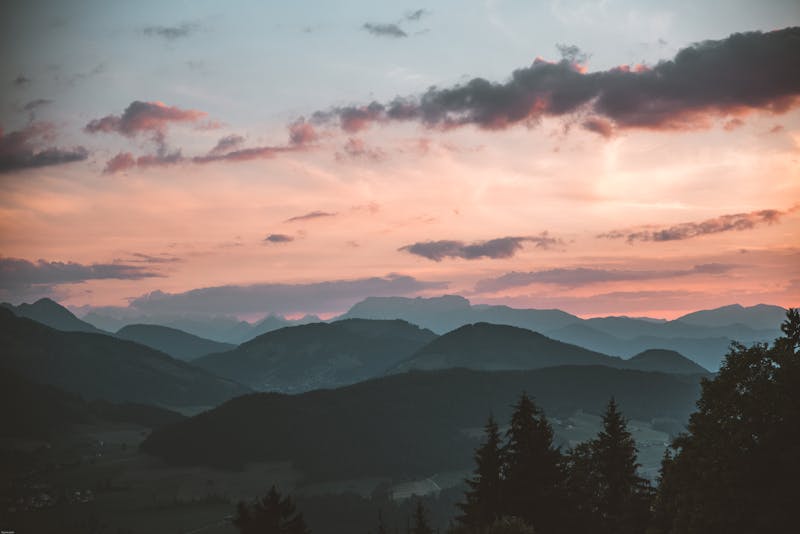
The golden hours — the first and last hour of sunlight — transform Mount Rainier from impressive to magical. Alpenglow on the summit during sunrise and sunset creates colors you won't believe are real. For reflections at lakes, calm mornings before the wind picks up offer the best mirror effects.
Cloud cover isn't always bad news. Lenticular clouds forming over the summit create otherworldly compositions, and moody fog drifting through old-growth forests produces atmospheric images that sunny days can't match. The key is adaptability — the mountain gives you different gifts every day.
Essential Tips
Whether you're shooting with a professional DSLR or the latest smartphone, composition matters more than equipment. Use leading lines (trails, rivers, tree lines) to draw the eye toward the mountain. Include foreground interest — wildflowers, rocks, streams — to add depth and scale to your shots.
- Arrive early for the best light and smallest crowds
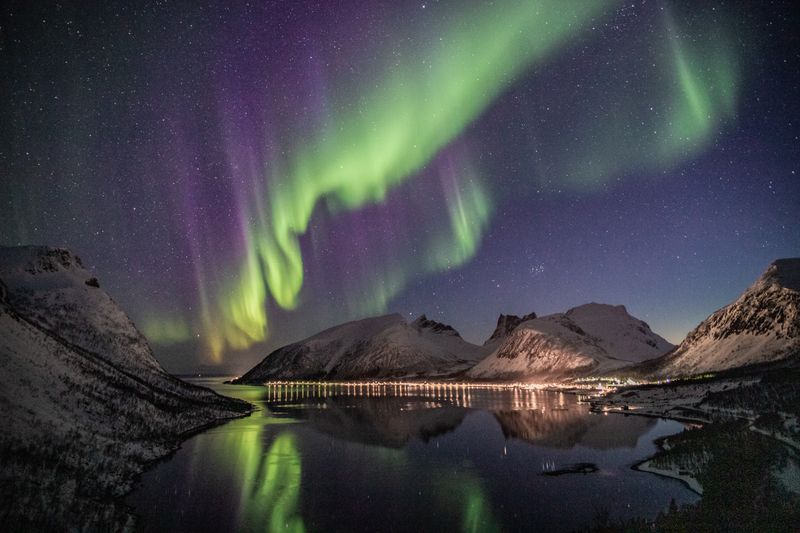
- Bring a tripod for low-light, waterfall, and astrophotography
- Use a polarizing filter to deepen blue skies and reduce glare on water
- Protect your gear from rain with a waterproof cover or dry bag
- Shoot in RAW format for maximum editing flexibility