Mount Rainier Photography Guide: Best Locations and Tips

Capturing Mount Rainier's Beauty

A photographer's guide to capturing Mount Rainier, including the best viewpoints, optimal timing, camera settings, and composition techniques.

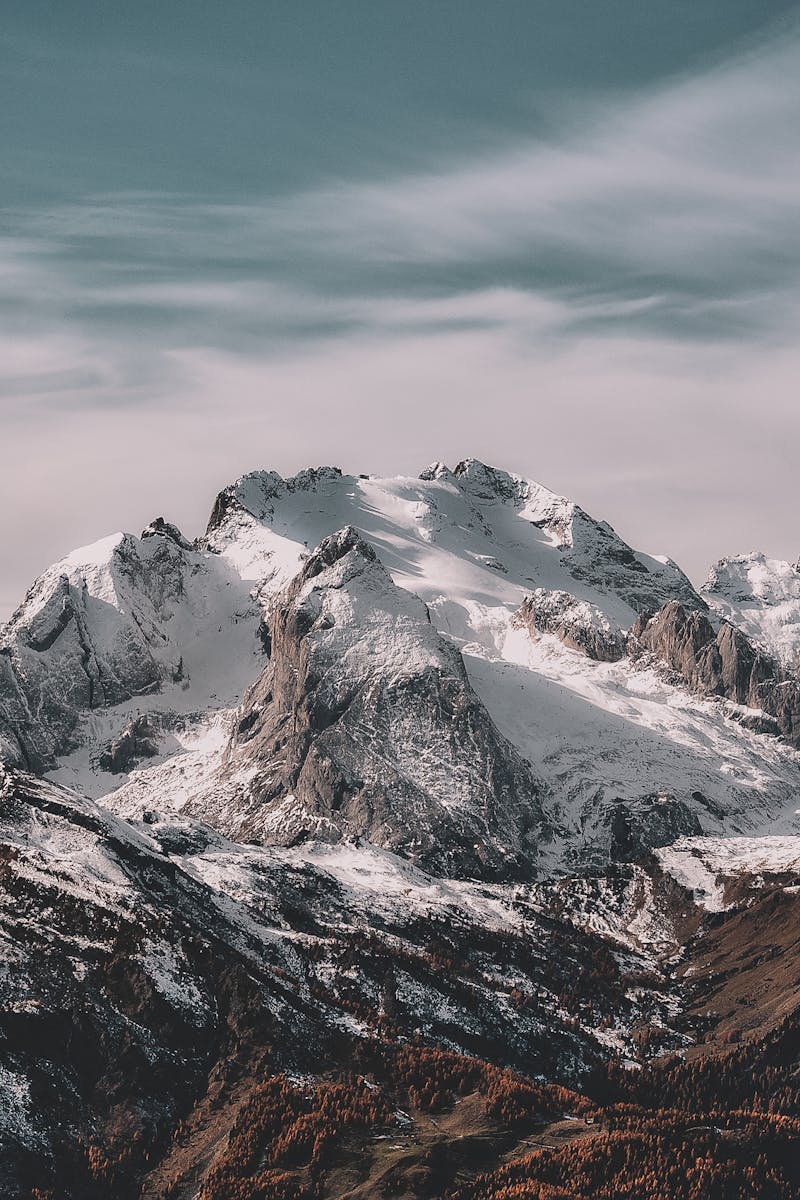
Mount Rainier is one of the most photographed mountains in North America, and for good reason. Its massive glaciated peak rises 14,411 feet above sea level, dominating the skyline from every angle. But the mountain is just the beginning — the park's wildflower meadows, ancient forests, tumbling waterfalls, and diverse wildlife offer endless photographic opportunities.

Best Conditions and Timing

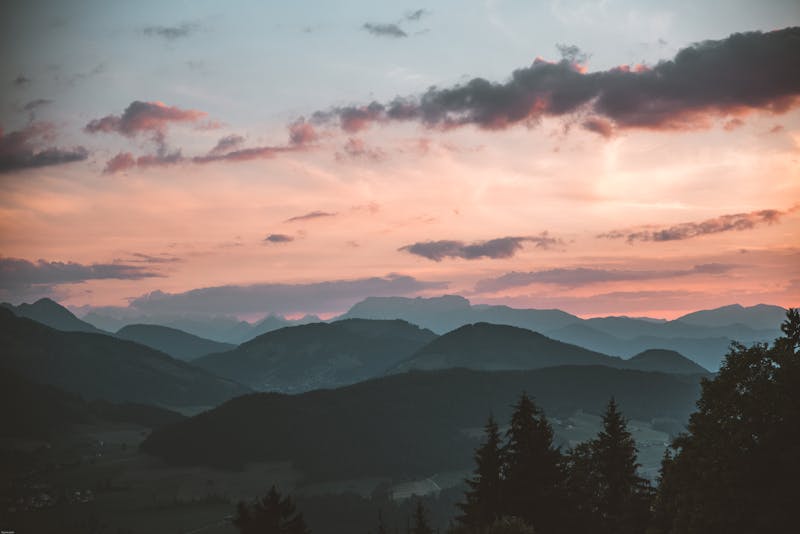
The golden hours — the first and last hour of sunlight — transform Mount Rainier from impressive to magical. Alpenglow on the summit during sunrise and sunset creates colors you won't believe are real. For reflections at lakes, calm mornings before the wind picks up offer the best mirror effects.

Cloud cover isn't always bad news. Lenticular clouds forming over the summit create otherworldly compositions, and moody fog drifting through old-growth forests produces atmospheric images that sunny days can't match. The key is adaptability — the mountain gives you different gifts every day.

Essential Tips

Whether you're shooting with a professional DSLR or the latest smartphone, composition matters more than equipment. Use leading lines (trails, rivers, tree lines) to draw the eye toward the mountain. Include foreground interest — wildflowers, rocks, streams — to add depth and scale to your shots.

Frequently Asked Questions

Is Mount Rainier visible from Seattle?

On clear days, Mount Rainier is clearly visible from Seattle, approximately 60 miles to the southeast. The mountain appears largest from elevated viewpoints like Kerry Park in Queen Anne, the Space Needle observation deck, and Beacon Hill. However, the Pacific Northwest's maritime climate means the mountain is obscured by clouds for weeks at a time. Locals say 'the mountain is out' as a special occasion—and it is.

What are the best photography spots near Mount Rainier?

The most iconic photography locations at Mount Rainier include Reflection Lakes (sunrise mirror images of the summit), Paradise (wildflower meadows with glaciers), Spray Park (unobstructed Rainier views above wildflower fields), and Grove of the Patriarchs (ancient old-growth Douglas firs). For astrophotography, the Carbon River zone and Sunrise area offer Bortle 3–4 dark skies. Staying at Refresh House in Ashford puts you 25–45 minutes from all of these locations, allowing early-morning arrivals for the best light.

When is the best time for sunrise photography at Mount Rainier?

Summer sunrise at Mount Rainier occurs between 5:15 and 5:45 AM and offers the most consistently clear conditions from late July through September. Reflection Lakes faces east-southeast, ideal for sunrise reflection shots of the summit. For alpenglow on the summit, the western-facing viewpoints at Paradise are best in late afternoon. Staying at a cabin in Ashford puts you 25–30 minutes from most key sunrise viewpoints, allowing you to arrive before other photographers.

Can I see the Milky Way from Mount Rainier?

Mount Rainier National Park offers some of Washington State's best Milky Way viewing, with Bortle 3–4 dark sky conditions at Sunrise and the Carbon River area. The galactic core is visible from roughly 10 PM to 3 AM from late April through October, with peak visibility during new moon weekends in July and August. The Sunrise parking area (5,420 ft elevation) and the Spray Park trailhead provide excellent foreground elements for Milky Way compositions with the mountain.

Ready for Your Mountain Workcation?

Book a stay at Refresh House and experience Mount Rainier from your own private cabin office.

Join the Waitlist