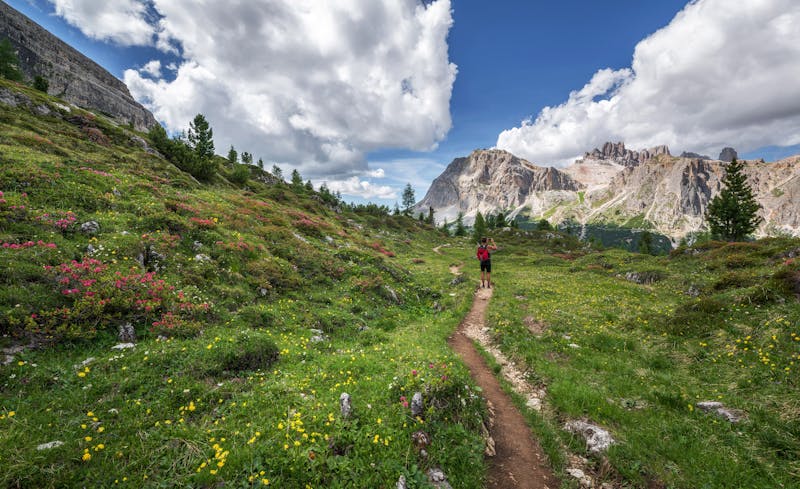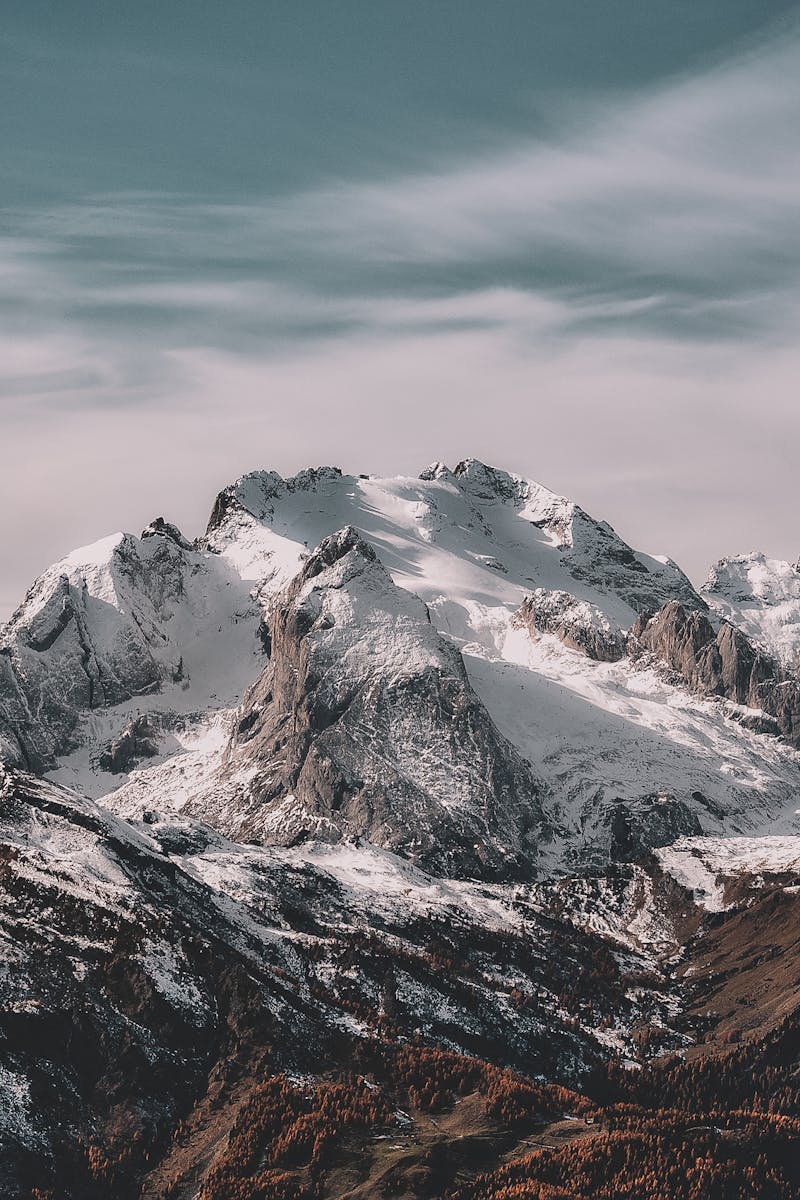
September is the case for skipping August at Mount Rainier. Labor Day weekend is still crowded, but the Tuesday after Labor Day sees a hard crowd reset — trail parking opens up, timed entry for Paradise ends, and the mountain gets some of its clearest skies of the year as the Pacific moisture track shifts south. Wildflower season is over, but huckleberries ripen on the ridges, fall foliage starts turning in Ohanapecosh, and the combination of lower crowds and clearer skies makes September a legitimate peak visit month — just a different kind of peak than August's wildflower surge. The tradeoff: Sunrise closes September 15, and late September brings the first real storms of fall. Here's exactly what to expect across the month.
September Weather at Mount Rainier
| Period | Longmire Hi/Lo | Paradise Hi/Lo | Conditions |
|---|---|---|---|
| Early Sept (1–10) | 64°F / 42°F | 52°F / 33°F | Summer pattern continues; mostly clear; occasional afternoon clouds |
| Mid-Sept (11–20) | 60°F / 39°F | 48°F / 30°F | First fall storms possible; clearest skies often this week; snow above 7,000 ft possible |
| Late Sept (21–30) | 56°F / 36°F | 44°F / 27°F | Fall weather setting in; rain more frequent; snow at Paradise by month's end possible; fall color peaks |
September is often the sunniest month for summit views. The Cascades' prevailing wet westerly flow weakens in late summer, producing multi-day clear spells — when Rainier's summit is visible for 3–5 days in a row, it's often in September. That said, the first significant fall storm can arrive any time after September 10 and occasionally dusts high elevations with snow. Check forecasts at nps.gov/mora the night before your hike; September skies require more monitoring than August's more stable pattern.
Trail Status in September
| Area | Early Sept | Mid-Sept | Late Sept |
|---|---|---|---|
| Longmire / lower trails | ✓ Open | ✓ Open | ✓ Open |
| Paradise (lower trails) | ✓ Open | ✓ Open | ✓ Open |
| Paradise (upper Skyline Trail) | ✓ Open | ✓ Open | ⚠ Snow possible |
| Ohanapecosh / Grove of the Patriarchs | ✓ Open | ✓ Open | ✓ Open |
| Sunrise area (road + trails) | ✓ Open | ✗ Closes ~Sept 15 | ✗ Closed |
| Carbon River / Rainforest | ✓ Open | ✓ Open | ✓ Open |
| Stevens Canyon Road | ✓ Open | ✓ Open | ⚠ May close mid-Oct |
| Timed Entry (Paradise) | ✓ Ends after Labor Day | ✓ Not required | ✓ Not required |
Key September change: Sunrise closes around September 15. If Burroughs Mountain, Dege Peak, Mount Fremont Lookout, or any other Sunrise trail is on your list, go in early September or wait until next summer. Once the Sunrise Road closes, those trails are inaccessible by vehicle for the season.
Crowds in September
September traffic at Rainier follows a clear pattern:
- Labor Day weekend (first weekend): Peak summer crowds — match or exceed the busiest August weekends. Paradise timed entry often extends through Labor Day Monday. Arrive before 7am or book a reservation.
- Week after Labor Day through mid-September: Sharp crowd drop. Parking is available at Paradise throughout the day. Trail to Panorama Point and Skyline Loop is noticeably quieter. This is the sweet spot of the September window.
- Late September: Even quieter — mostly serious hikers, photographers, and fall foliage visitors. Some facilities reduce hours (Sunrise Visitor Center already closed). The NPS removes some seasonal ranger staff. Quieter but watch weather more carefully.
September Highlights: What's Actually Better Than August
Huckleberries
Wild huckleberries ripen on ridgelines above 4,000 feet from late August through September. They're abundant on the Burroughs Mountain approaches, along the Naches Peak Loop, and on slopes above Carbon River. Bright red-purple berries the size of blueberries, with a tart flavor. Pick and eat freely — berry picking for personal use is permitted in the park. The Naches Peak Loop near Chinook Pass is a reliable September huckleberry spot that's easy to access and consistently productive.
Fall Foliage
Ohanapecosh and the Stevens Canyon corridor are the park's fall foliage highlights. Vine maple, bigleaf maple, and alder turn gold and deep red along the river; the old-growth Douglas fir and cedar provide contrast. Peak color in the Ohanapecosh area typically falls between September 20 and October 10. The Grove of the Patriarchs trail is beautiful in fall — the ancient trees above the color understory make it one of the most atmospheric places in the park in late September. In higher-elevation meadows (subalpine zones around 5,000–6,000 ft), lupine and bistort turn brown-gold, and the huckleberry shrubs turn crimson before the first significant snow.
Elk Bugling
September is elk rut season. Bull elk bugle — a piercing, haunting call — from early September through mid-October. The Longmire meadow and the area around Cougar Rock Campground host elk herds in late summer and fall. You can hear bugling from the Longmire area at dawn and dusk without hiking anywhere. For closer wildlife viewing, the Carbon River Road (open to foot traffic) and the White River corridor offer good early-morning sightings.
Best Photography Month
Landscape photographers consider September Rainier's best month: clear air after summer haze clears, occasional dusting of fresh snow on the upper mountain for contrast, fall color at lower elevations, and dawn light with low fog in the Nisqually Valley. The combination of fresh summit snow (if it falls) and fall foliage below doesn't exist in any other month. Reflection Lakes in late September with Rainier reflected and alder color framing the shore is one of the park's most iconic fall images.
What Changes in September: Quick Reference
- Timed entry ends after Labor Day — no more Recreation.gov reservations needed for Paradise
- Sunrise closes ~September 15 — plan any Sunrise hikes for early September
- Crowds drop significantly after Labor Day weekend — weekdays especially quiet
- Wildflowers are gone — replaced by huckleberries, fall foliage, and seed heads
- Weather stability — often good early, becoming less predictable late month
- Layer up more — Paradise overnight lows drop to 27–33°F; a warm jacket is mandatory
- First snow on the upper mountain often arrives in mid-to-late September (above 7,000 ft)
Best September Itinerary: Long Weekend from Ashford
Friday evening: Drive in from Seattle, arrive Ashford. Grab dinner at Copper Creek Inn. Check in to Refresh House.
Saturday (go early for Sunrise): Leave by 7am for the 2-hour drive to Sunrise via Stevens Canyon Road. Hike Burroughs Mountain (First or Second) for the above-treeline views. Back at the visitor center by 1pm before afternoon clouds build. This is your only chance if you're going before the September 15 closure.
Sunday (Paradise and wildflowers/foliage): Depart by 8am — no timed-entry reservation needed after Labor Day, so you can take your time. Hike the full Skyline Trail loop (5.5 mi, 1,600 ft gain). Afternoon: drive Stevens Canyon to Ohanapecosh for Grove of the Patriarchs and fall foliage. Back to Ashford by 5pm.
Monday (Longmire and lower trails): Short morning hike — Carter Falls or Rampart Ridge from Longmire. Arrive home by early afternoon with no Sunday-night traffic battle.
What to Pack for September at Mount Rainier
- Insulating mid-layer: Fleece or down jacket — Paradise mornings can be 35–40°F even when Longmire is mild
- Waterproof shell: Mandatory. Late September rain squalls arrive without warning above treeline.
- Traction devices: Not needed early September for standard trails, but carry microspikes if doing Burroughs Mountain late in the month after any fresh snowfall
- Gloves and hat: The upper Skyline Trail and Burroughs Mountain expose you to wind that makes 45°F feel like 30°F
- Headlamp: Sunsets come earlier in September — it gets dark before 7:30pm by late month
- Offline maps: Cell service ends at the park entrance. Download AllTrails or Gaia GPS maps before leaving Ashford
More planning: Paradise vs Sunrise — which side to visit · complete Sunrise trail guide with distances · Mount Rainier in October — fall foliage, elk, what's open · full month-by-month weather guide · current trail conditions · timed entry permit guide · 15 best day hikes by area and difficulty