Seasonal Magic at Mount Rainier
Witness the annual salmon migration on the Nisqually River near Mount Rainier, with viewing locations, timing, and the ecological significance of the runs.
Mount Rainier transforms dramatically with each season, offering completely different experiences throughout the year. What remains constant is the mountain itself — a 14,411-foot sentinel visible from over 100 miles away, anchoring the landscape no matter the season.
What Makes This Season Special
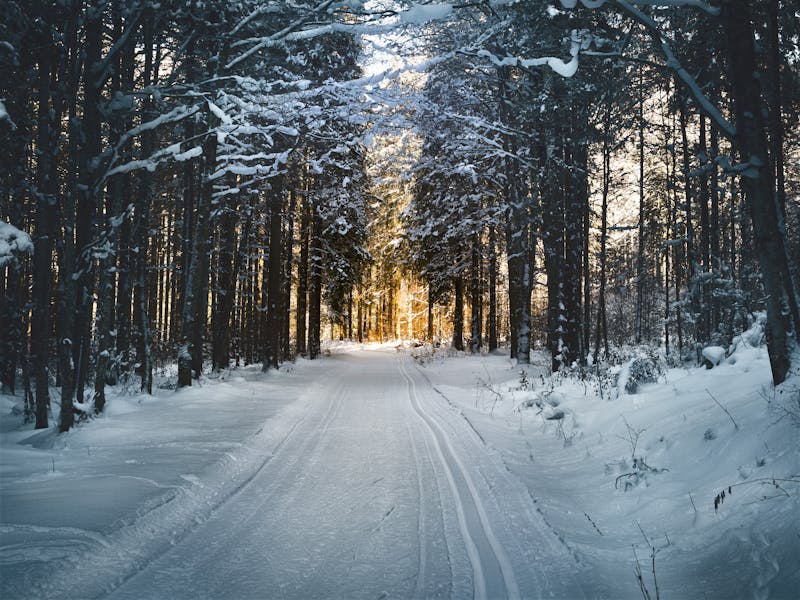
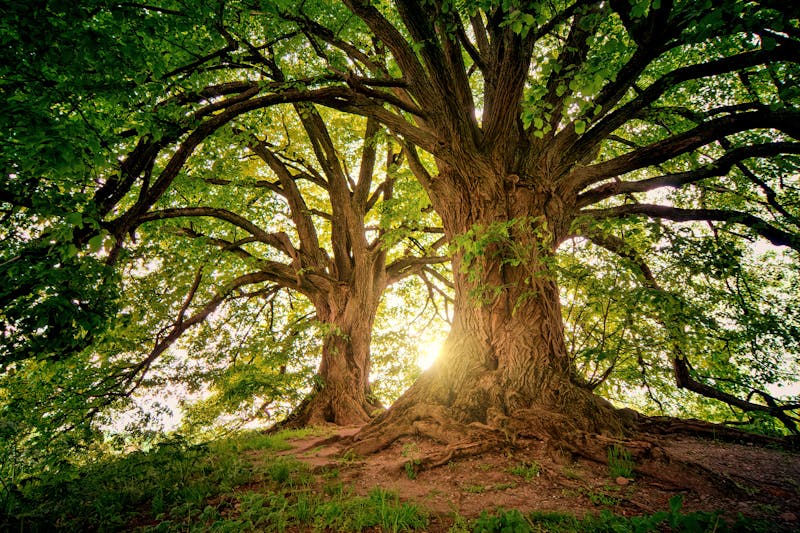
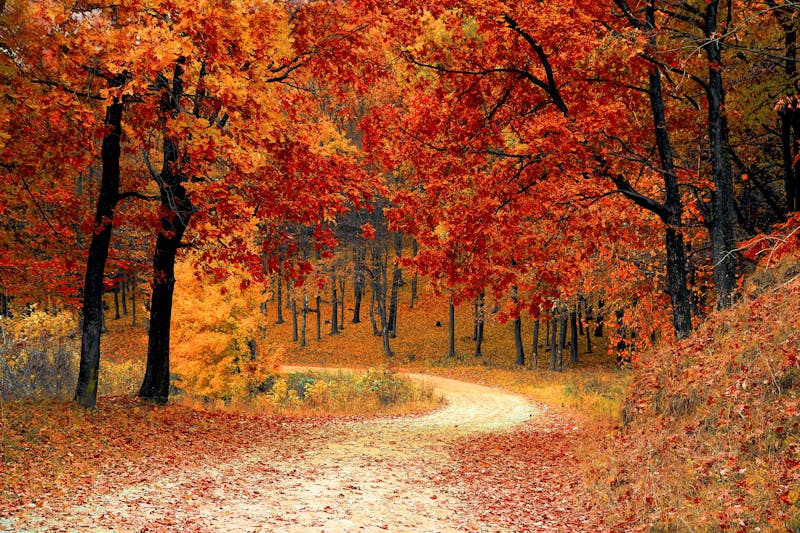
Each season at Mount Rainier has its own personality. Summer brings wildflower meadows and long daylight hours. Fall paints the valleys in gold and crimson while elk bugle across the meadows. Winter transforms Paradise into a snow-covered wonderland with some of the deepest snowpack in the world. And spring unleashes thundering waterfalls as the mountain sheds its winter coat.
The key to enjoying any season at Mount Rainier is the right preparation and expectations. Winter visitors need tire chains and warm layers. Summer visitors need sun protection and early starts. But every season rewards those who show up prepared with unforgettable experiences.
Planning Your Visit
Accommodation near the park varies seasonally. Summer fills up fast — book months in advance for July and August stays. Off-season visits offer better availability, lower rates, and a more intimate experience with the landscape. A cabin near the park gives you the flexibility to adapt your plans to weather and trail conditions.
Check the NPS road and trail conditions page before every visit. Road closures are common outside of summer, but that's part of what makes off-season visits feel so special — fewer people, more solitude, and a landscape that belongs to you.
What to Pack
- Layers appropriate for the season and elevation changes
- Camera — every season offers unique photo opportunities
- Binoculars for wildlife viewing
- Snacks and water for day trips
- A sense of adventure and flexibility