Why Paradise Mount Rainier Trails Should Be on Your List
Mount Rainier National Park draws over two million visitors annually, and for good reason. The park's trail system offers everything from gentle nature walks to multi-day backcountry expeditions. Everything about hiking from Paradise, including the Skyline Loop, Myrtle Falls, Alta Vista, and the Glacier Vista viewpoint.
Whether you're a seasoned hiker or lacing up boots for the first time, the trails around Mount Rainier deliver experiences you simply can't find anywhere else in the Pacific Northwest. The combination of glacial landscapes, alpine meadows bursting with wildflowers, and ancient old-growth forests creates a hiking destination that rewards every step.
Trail Details and What to Expect
The key to a great hike at Mount Rainier is preparation. Weather can change rapidly at elevation, and snow can linger on higher trails well into July. Always check current trail conditions on the NPS website before heading out, and carry the ten essentials regardless of how short your planned hike might be.
Most trailheads have limited parking, especially on summer weekends. Arriving before 8 AM or after 3 PM can help you avoid the worst of the crowds while also giving you the best light for photography. The early morning hours offer the calmest conditions for lake reflections and wildlife sightings.
Best Time to Visit
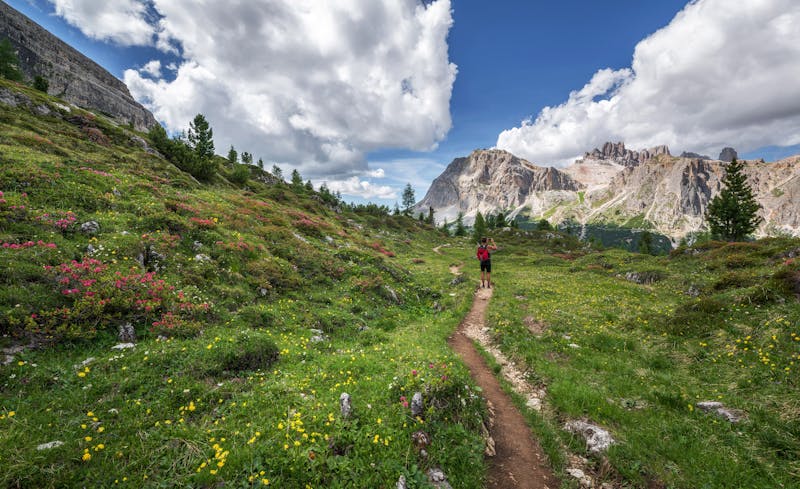
The hiking season at Mount Rainier typically runs from mid-July through early October, though lower elevation trails may open as early as May. Peak wildflower season at Paradise occurs between mid-July and mid-August, transforming alpine meadows into carpets of lupine, paintbrush, and avalanche lilies.
Fall brings its own rewards: smaller crowds, crisp air, vibrant foliage along Stevens Canyon Road, and the haunting sound of bull elk bugling in the meadows. September and early October offer some of the most stable weather of the year.
Getting There From Seattle
Mount Rainier is approximately two hours from downtown Seattle via I-5 South and WA-706. The drive passes through the charming gateway towns of Eatonville, Elbe, and Ashford, where you'll find your last chance for gas, food, and gear before entering the park.
Staying at a cabin near the park means you can hit the trailhead early, before the day-trippers arrive from Seattle. After your hike, return to hot tub, a cold plunge, and a home-cooked meal instead of facing a two-hour drive home with tired legs.
Essential Tips
- Carry rain gear even on sunny days — weather changes rapidly at elevation
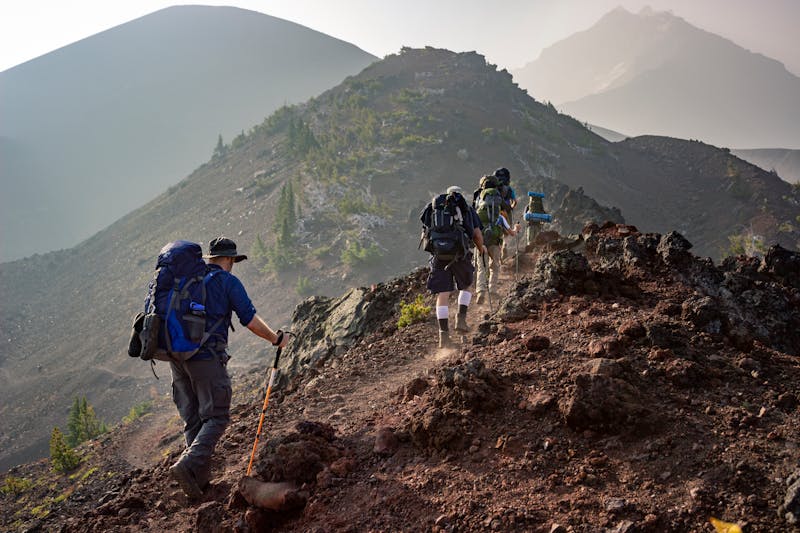
- Bring trekking poles for trails with significant elevation gain
- Pack layers: mornings can be cold even in summer
- Stay on designated trails to protect fragile alpine meadows
- Start early to secure parking and avoid afternoon thunderstorms