Elk Rut Season Near Mount Rainier: Where and When to Watch

Seasonal Magic at Mount Rainier

Experience the spectacular elk rut near Mount Rainier in September and October, with tips on the best viewing locations and responsible wildlife watching.

Mount Rainier transforms dramatically with each season, offering completely different experiences throughout the year. What remains constant is the mountain itself — a 14,411-foot sentinel visible from over 100 miles away, anchoring the landscape no matter the season.

What Makes This Season Special

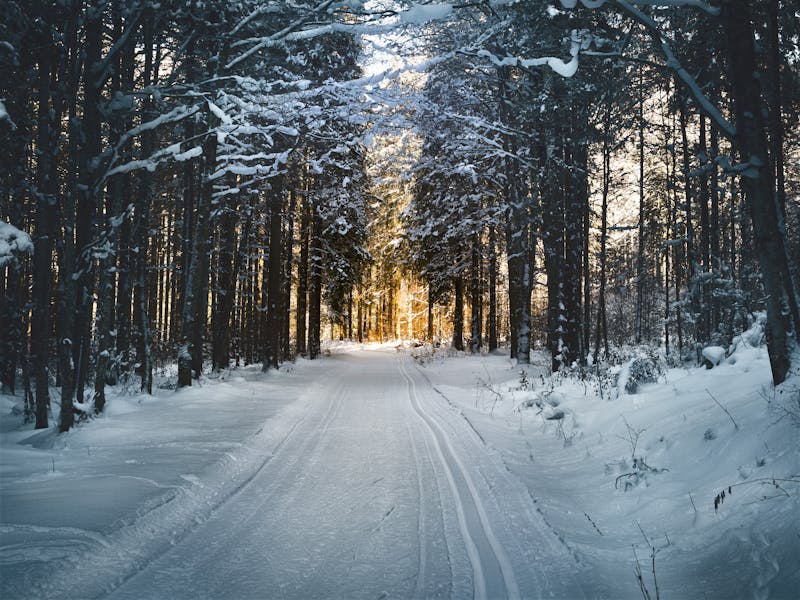
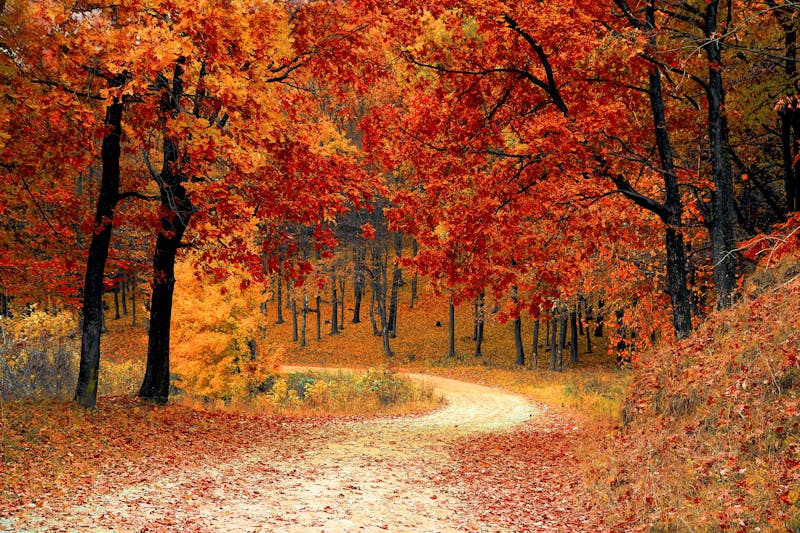
Each season at Mount Rainier has its own personality. Summer brings wildflower meadows and long daylight hours. Fall paints the valleys in gold and crimson while elk bugle across the meadows. Winter transforms Paradise into a snow-covered wonderland with some of the deepest snowpack in the world. And spring unleashes thundering waterfalls as the mountain sheds its winter coat.

The key to enjoying any season at Mount Rainier is the right preparation and expectations. Winter visitors need tire chains and warm layers. Summer visitors need sun protection and early starts. But every season rewards those who show up prepared with unforgettable experiences.

Planning Your Visit

Accommodation near the park varies seasonally. Summer fills up fast — book months in advance for July and August stays. Off-season visits offer better availability, lower rates, and a more intimate experience with the landscape. A cabin near the park gives you the flexibility to adapt your plans to weather and trail conditions.

Check the NPS road and trail conditions page before every visit. Road closures are common outside of summer, but that's part of what makes off-season visits feel so special — fewer people, more solitude, and a landscape that belongs to you.

What to Pack

Frequently Asked Questions

When does the snow melt at Mount Rainier?

Snow persists at high elevations at Mount Rainier year-round, but most park roads and lower trails open between late May and early July, depending on winter snowpack. Paradise (5,400 ft) typically clears of snow in late June. The Sunrise Road (6,400 ft) usually opens in early July. Lower-elevation trails in the Carbon River area may be accessible as early as April. The NPS website publishes daily trail and road conditions throughout the season.

Is Mount Rainier worth visiting in the fall?

Fall (September through October) offers some of the best conditions of the year at Mount Rainier: dramatically smaller crowds than summer, stable weather, vibrant fall foliage along Stevens Canyon Road and Carbon River, bull elk bugling in the meadows, and exceptional photography light. Most major trails remain open through mid-October. Refresh House is particularly popular for fall workcation stays due to the combination of productive work days and spectacular autumn hiking.

What is Mount Rainier like in winter?

Winter at Mount Rainier (November through March) offers snowshoeing and cross-country skiing at the Paradise snow-play area, downhill skiing at Crystal Mountain Resort (30 minutes from Ashford), and dramatically quieter park conditions than summer. The Longmire area and visitor center remain open year-round. Above-Paradise roads close seasonally, but lower park areas remain accessible. Refresh House provides snowshoes from its gear library and has tire chains available for guests.

When are wildflowers at Mount Rainier in peak bloom?

Peak wildflower season at Mount Rainier's Paradise meadows typically occurs between mid-July and mid-August, though timing varies 2–3 weeks depending on winter snowpack depth. The bloom progresses upward through the season: Carbon River area in June, Longmire meadows in early July, Paradise by late July, and Spray Park and Burroughs Mountain by early August. The Washington Trails Association posts bloom condition reports that help plan visits to coincide with peak color.

Ready for Your Mountain Workcation?

Book a stay at Refresh House and experience Mount Rainier from your own private cabin office.

Join the Waitlist